Ukraine's Air Defense Success: Neutralizing Russia's Missile Threat
In the ongoing conflict, Ukraine's ability to defend its skies has become a cornerstone of its resilience. The strategic importance of its air defense forces cannot be overstated, not only in intercepting incoming threats but also in the critical post-impact work where a Ukraine Neutralizes Downed Russian Missile in Dnipropetrovsk. This comprehensive approach, encompassing everything from early detection to the safe neutralization of unexploded ordnance, showcases a sophisticated and adaptive defense strategy against a relentless adversary. The continuous battle against Russian aerial attacks, involving a mix of cruise missiles, ballistic missiles, and drones, demands a multi-layered defense that is both technologically advanced and meticulously executed on the ground.
The Unseen Battle: How Ukraine Neutralizes Russia's Missile Threat
While headlines often focus on the dramatic intercepts of Russian missiles by Ukrainian air defense systems, a less visible but equally vital aspect of national security unfolds on the ground: the neutralization of downed ordnance. A recent incident in the Kryvyi Rih district of the Dnipropetrovsk region perfectly illustrates this critical process. Following an air defense engagement, police explosives experts discovered a downed Russian cruise missile whose warhead had failed to detonate upon impact. This scenario, while a testament to the initial success of air defense, immediately transitions into a high-stakes ground operation.
Working in close coordination with sappers from the State Emergency Service, these specialists undertook the perilous task of transporting the inert but still dangerous warhead to a designated detonation site. There, in a controlled environment, the missile was safely neutralized, eliminating any lingering threat. This incident is not isolated; it's a recurring challenge that Ukrainian forces face daily. The sheer volume of aerial attacks, such as the destruction of 57 aerial targets—including 18 missiles and 39 combat drones—on a single night and morning, underscores the immense pressure on these teams. Each successfully intercepted or downed projectile requires meticulous follow-up to ensure it poses no further danger to civilians or infrastructure. This multi-layered defense, from sky to ground, ensures that every potential threat, even a non-detonated missile neutralized, is comprehensively addressed.
Beyond Interception: The Critical Role of Post-Impact Neutralization
The journey of a Russian missile from launch to its ultimate fate over Ukraine involves several critical stages, each demanding specialized expertise. While air defense systems aim to intercept threats high in the sky, not every missile is destroyed into harmless fragments. Some may be damaged, veering off course, or, as seen in Dnipropetrovsk, strike the ground with their warheads intact but undetonated. This presents a unique and severe hazard: unexploded ordnance (UXO).
The process of post-impact neutralization is a testament to the bravery and precision of Ukraine's police explosives experts and State Emergency Service sappers. Their work begins with the careful identification and assessment of the downed missile. Is it a cruise missile, a ballistic projectile, or a fragment from a larger weapon? The type of ordnance dictates the protocol. Crucially, they must determine if the warhead is live but undetonated, as was the case with the Russian cruise missile in Kryvyi Rih. Such a finding triggers a highly specialized sequence of actions:
- Secure the Area: Establishing a wide perimeter to protect civilians from potential accidental detonation.
- Expert Assessment: Using advanced tools and their extensive knowledge to evaluate the missile's condition, stability, and potential internal damage.
- Careful Transport: If safe, the ordnance is meticulously prepared for transport. This involves specialized equipment and vehicles designed to minimize vibrations and secure the object, moving it to a remote, controlled detonation site.
- Controlled Detonation: Once at the site, explosives are strategically placed to trigger a safe, controlled detonation, ensuring the complete destruction of the warhead and rendering it harmless.
This painstaking work prevents civilian casualties, protects infrastructure, and denies the enemy any propaganda value from undetonated weapons. It's a stark reminder that military success isn't just about shooting down threats but also about safely managing their aftermath. For more details on these vital operations, refer to comprehensive reports like Ukraine Neutralizes Downed Russian Missile in Dnipropetrovsk.
Advanced Strategies: Detecting and Neutralizing Missiles at Scale
The fight against missile threats extends far beyond the physical handling of ordnance. It begins with sophisticated detection and early warning systems, an area where continuous innovation is paramount. Drawing inspiration from advanced concepts, modern missile defense systems strive to identify and track threats from their very launch points. This involves a complex interplay of technologies:
- Electromagnetic Frequency Activity Classification: Utilizing satellite and land-based sensors to classify electromagnetic activity within broadcast and telecommunications spectra. A high-intensity initial fuel burn of a missile launch creates a distinct electromagnetic wave disturbance, which can be "tagged" by software algorithms to pinpoint the launch zone.
- Weather Anomaly Integration: Analyzing weather patterns to distinguish between natural phenomena and missile-induced disturbances, enhancing the accuracy of detection.
- Trajectory Trisection Technology: Systems like the U.S. Navy's AN/SPY series radar, deployed on Aegis cruisers, determine launch position and trajectory. This allows for critical time to calculate flight paths, distinguish decoys, and prepare interception.
- Targeted Guidance System Disruption: While still evolving, the concept of transmitting precisely tuned frequency wave combinations to affect a missile's electrical functioning, either its guidance system or warhead detonator, from defensive missile-borne generators or a network of transmitters, represents a frontier in missile neutralization. This aims to have every incoming missile neutralized before impact.
The challenge, as highlighted by prior art in missile defense, is providing sufficient time for interceptor missiles to launch and successfully engage. Earlier systems faced the drawback of interceptors being launched when the incoming missile was relatively close to its target, leaving little room for error or malfunction. Modern advancements seek to push the detection and engagement window further out, increasing the probability of a successful intercept and a decisive neutralization. For a deeper dive into the technological evolution of these systems, explore resources discussing Missile Defense: From Detection to Controlled Neutralization.
The Evolving Threat and Ukraine's Resilience
Russia's persistent attacks on Ukraine utilize a diverse and ever-evolving arsenal, making the task of air defense exceptionally complex. The targets are varied, ranging from critical infrastructure to civilian areas, employing a mix of high-speed ballistic missiles, stealthy cruise missiles, and swarms of drones. On any given night, Ukrainian defenders might face:
- Zircon Anti-Ship Missiles: Hypersonic weapons designed to evade detection due to their extreme speed.
- Iskander-M Ballistic Missiles: Short-range ballistic missiles known for their precision and ability to carry various warheads.
- Kh-31P Air-Launched Missiles: Designed to suppress air defenses, posing a direct threat to radar systems.
- Combat Drones: Often deployed in large numbers to overwhelm defenses, exhaust ammunition, and scout targets.
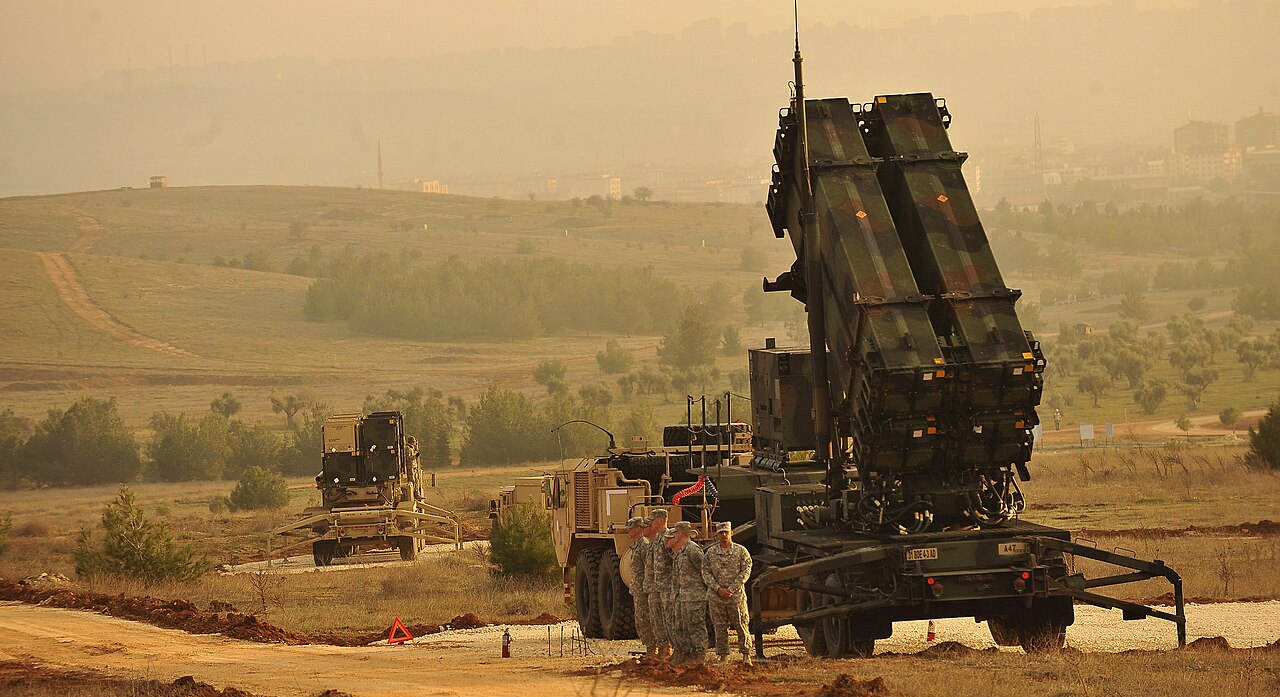
The sheer scale of these assaults is daunting. Reports of 62 drones alongside multiple sophisticated missiles in a single overnight attack underscore the multi-faceted nature of the threat. Ukraine's air defense has adapted by integrating a patchwork of older Soviet-era systems with modern Western armaments, including NASAMS, Patriot, and IRIS-T systems. This integration, combined with continuous training and intelligence sharing, forms a robust defense network that significantly mitigates the impact of Russian aggression. The ability to destroy 57 aerial targets in a single intensive period is a testament to the dedication, skill, and strategic deployment of these combined assets.
Practical Insights into Missile Defense Readiness
The experience of Ukraine offers valuable lessons for both military strategists and civilian populations concerning missile defense:
- Multi-Layered Defense is Crucial: Relying on a single type of defense system is insufficient. A combination of short, medium, and long-range systems, integrated with robust ground operations for UXO, is vital.
- International Support Matters: The provision of advanced air defense systems by allies is a game-changer, enabling countries to counter sophisticated threats they might otherwise struggle with.
- Civilian Preparedness: Effective early warning systems (e.g., air raid alerts via apps, sirens) and designated shelters are paramount for minimizing civilian casualties. Public education on "two walls" safety rules and emergency procedures saves lives.
- Technological Adaptation: Defenses must continuously evolve to counter new missile types and attack tactics. Investment in R&D for detection and neutralization technologies is essential.
- The Human Element: No technology is effective without highly trained personnel. The courage and expertise of air defense crews, explosives experts, and sappers are irreplaceable.
Conclusion
Ukraine's success in defending its skies and neutralizing Russia's missile threat is a complex, ongoing saga of technological adaptation, strategic deployment, and profound human courage. From the initial detection of a launched missile to the meticulous work of safely disposing of unexploded warheads, every stage is critical in safeguarding the nation. The ability to intercept numerous aerial targets, including advanced ballistic and cruise missiles, and the diligent post-impact operations where a downed missile neutralized, underscores a resilient and effective defense strategy. While the threat remains persistent and evolving, Ukraine's unwavering commitment to protecting its people and infrastructure through its comprehensive air defense efforts stands as a powerful testament to its determination and the enduring spirit of its defenders.